-

Choosing Between Plastic Casting and Injection Molding for Functional Prototype Validation
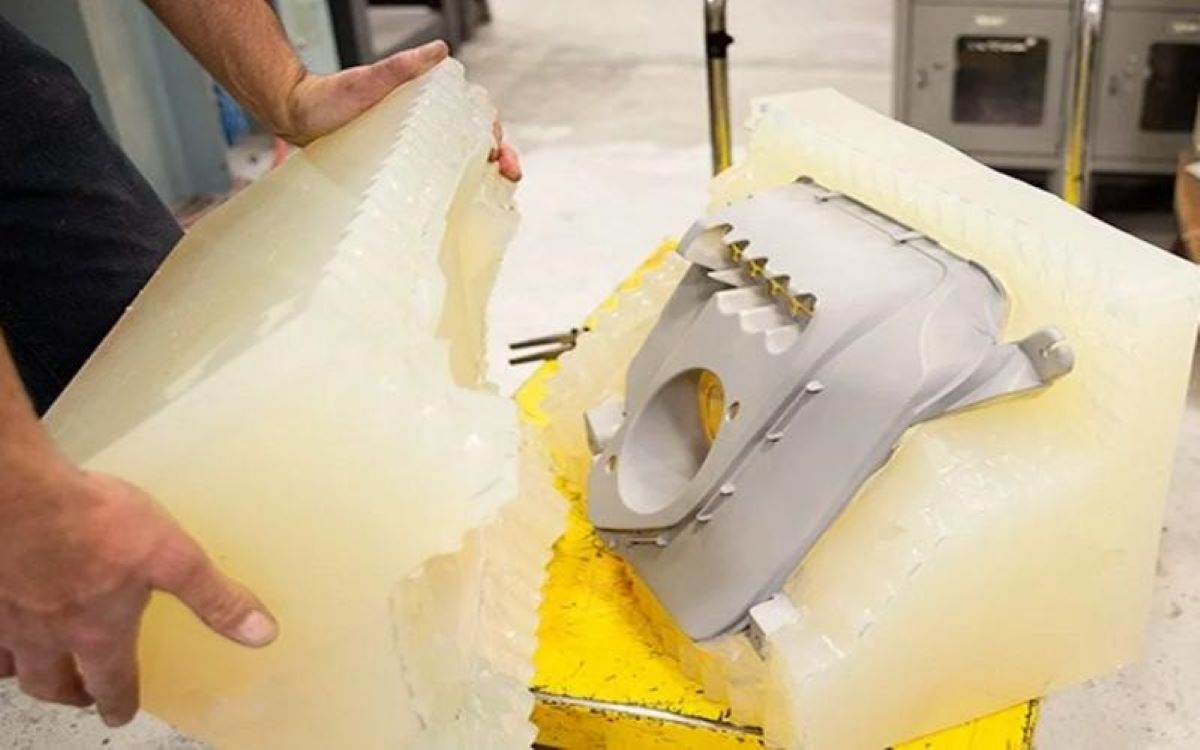
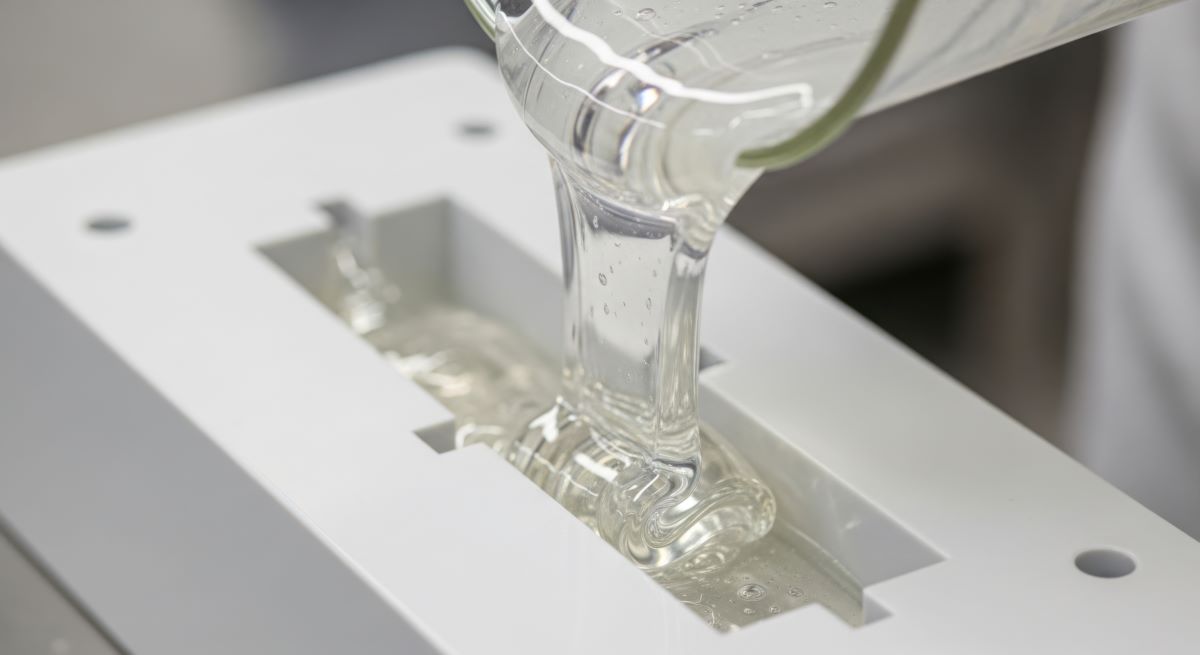
Plastic casting is a rapid prototyping process that uses liquid urethane or resin poured into a silicone mold to produce small batches of plastic-like parts without the upfront investment required for injection molding tooling. While the term “plastic casting” is often searched by teams looking for information about plastic part ...
READ MORE -

Looking to Cast a Plastic Part? Here’s What You Need to Know
If you searched “plastic casting,” you’re probably trying to figure out how to get a plastic part made. Plastic casting and injection molding are the two most common ways to produce small quantities of plastic parts, but they work very differently and suit different stages of product development. This guide ...
READ MORE -

How to Identify What Type of Plastic Your Product Is Made From
Determining the identity of an unknown plastic is a common challenge across the product lifecycle. A manufacturer may have a legacy component with incomplete documentation, a product designer may need to match or replicate the material properties of an existing part, or an engineer investigating a field failure may need ...
READ MORE -
Designing for Overmolding While Managing Shrinkage and Material Interaction
Overmolding enables manufacturers to combine multiple materials into a single integrated component, creating parts that deliver improved functionality, ergonomics, durability, and performance. From soft-touch grips on handheld devices to protective seals and impact-resistant housings, overmolded components are widely used across consumer, medical, automotive, and industrial applications. However, successful overmolding requires ...
READ MORE -

Factors Affecting Molded Material Shrinkage in Injection Molding
Determining material shrinkage is one of the more challenging tasks in developing injection-molded parts. Material shrinkage behavior can be affected by material structure (semicrystalline vs. amorphous polymers), cooling conditions, processing parameters and even part design. All of these factors influence how a part contracts as it solidifies, affecting dimensional accuracy ...
READ MORE -

Protoshop Featured on World’s Greatest TV for Rapid Prototype Mold Fabrication
Protoshop Inc. was recently featured on World’s Greatest TV, where the team shared a behind-the-scenes look at how they create rapid prototype molds and injection molded parts. Based in Carlsbad, California, Protoshop’s engineers, machinists and molProtoshop Inc., based in Carlsbad, California, recently had its time in the spotlight on World’s ...
READ MORE -

How Thermoplastic Elastomers Transforms Modern Product Design
Thermoplastic elastomers (TPEs) are frequently used in components and processes that prioritize efficiency or lean manufacturing. The combined elastic behavior and thermoplastic processability offer a flexible alternative to conventional thermoset elastomers. This article builds on that framework and analyzes how TPEs can affect design and decision-making through a technical and ...
READ MORE -

How Resin Type Affects Surface Texture
In plastic injection molding, surface texture is shaped not only by tool design but also by the resin used. The interaction between polymer characteristics and mold surface directly influences gloss, matte appearance, texture sharpness, and even perceived quality. Understanding how resin behavior affects texture replication enables more accurate design choices ...
READ MORE -
How Regular Mold Maintenance Improves Prototype Molding Quality
Poorly maintained prototype molds can introduce inconsistencies that increase development costs, extend lead times, and compromise the accuracy of early design validation. In prototype injection molding, part quality often depends as much on the condition of the mold as on the engineering team’s expertise. The Importance and Impact of Prototype ...
READ MORE -

How Form, Fit, and Function Influence the Design of Prototype Plastic Parts
Prototypes act as the bridge between concept and production, allowing designers, engineers, and entrepreneurs to test assumptions, validate performance, and refine designs before committing to manufacturing. Form, fit, and function guide every decision when creating prototype plastic parts. Understanding how these three elements shape prototype design helps reduce development time, ...
READ MORE