

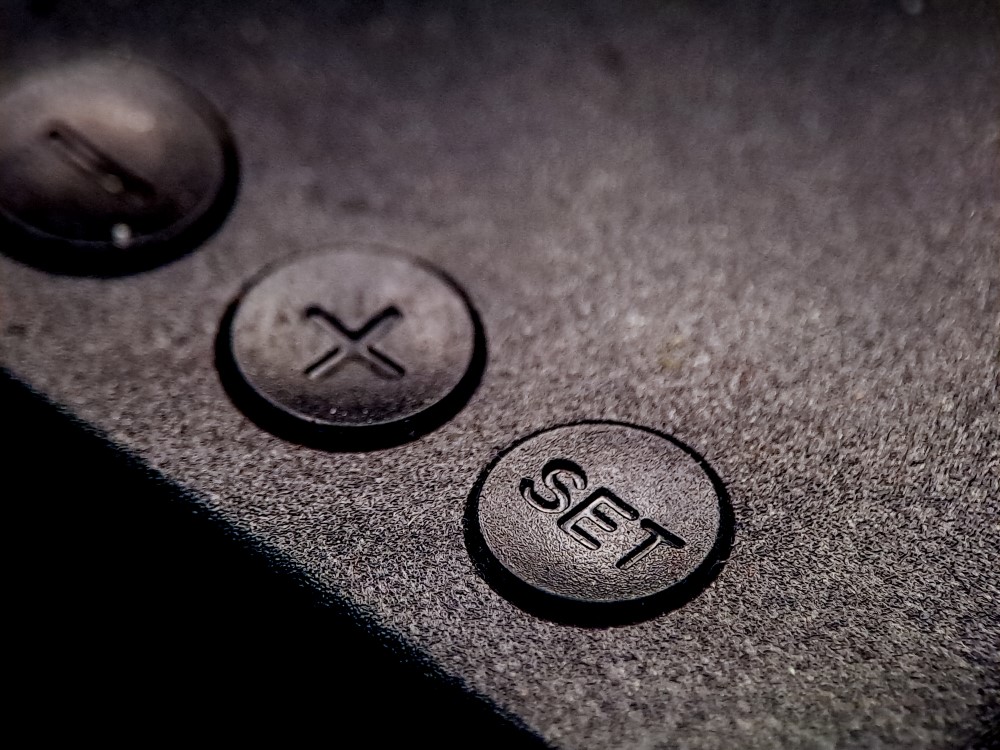
In plastic injection molding, surface texture is shaped not only by tool design but also by the resin used. The interaction between polymer characteristics and mold surface directly influences gloss, matte appearance, texture sharpness, and even perceived quality. Understanding how resin behavior affects texture replication enables more accurate design choices for both prototypes and production parts.
Influence of Resin Transparency and Opacity
Resin transparency determines how light interacts with textured surfaces, influencing gloss and texture visibility.
- Amorphous transparent resins such as polycarbonate (PC), acrylic (PMMA), and PETG allow light to penetrate the surface, scattering within the polymer. This internal diffusion softens texture visibility and maintains a higher gloss level unless a coarse texture is applied. As a result, deeper or rougher textures are often required to minimize glare or conceal internal flow lines.
- Opaque crystalline resins such as polypropylene (PP), polyethylene (PE), nylon (PA), and polyoxymethylene (POM) reflect light rather than transmitting it. This reflection enhances texture visibility, producing sharper surface definition. Matte finishes are easier to achieve, and finer texture patterns display with greater clarity.
Effect of Shrinkage and Flow Behavior
Resin shrinkage and flow behavior have a measurable impact on surface texture fidelity.
- High-shrink resins, including semi-crystalline materials like PP and PE, often show reduced texture depth as the part contracts during cooling and pulls slightly away from the mold surface. This can soften texture appearance, making it appear less crisp.
- Low-shrink resins, such as amorphous types like ABS, PC, and PS, tend to preserve surface definition more effectively. Their limited shrinkage allows the mold texture to replicate with high fidelity, making them suitable for fine finishes like VDI 12–15 or SPI C1–C2.
Impact of Resin Gloss Level
The inherent gloss level of a resin dictates how textured or reflective its surface appears.
- Naturally glossy resins such as PC, PMMA, and SAN may retain shine even when textured. To reduce gloss and enhance the tactile feel, deeper or coarser textures (e.g., higher VDI or Mold-Tech levels) are commonly required.
- Naturally matte resins, including filled nylons, talc-filled PP, and matte-modified ABS, produce a uniform, low-sheen surface. These materials often hide flow marks, weld lines, and other visual imperfections, making them effective choices for cosmetic housings and automotive interiors.
Role of Fillers and Reinforcements
Additives significantly affect surface uniformity and light reflection.
- Glass-filled resins often produce a muted or uneven texture appearance due to fiber exposure near the surface. These fibers can align with flow direction, resulting in directional gloss or patterning.
- Mineral- or talc-filled resins yield a more consistent matte finish that complements textured tooling, producing a uniform appearance even under varying lighting conditions.
Unfilled resins provide the most accurate replication of mold texture, making them ideal for parts that demand high cosmetic precision.
Influence of Colorants and Additives
Colorants and surface modifiers alter how textures are perceived.
- Dark pigments such as black or navy enhance contrast, allowing textures to appear sharper. Light pigments, including white or beige, diffuse light and reduce definition.
- Metallic or pearlescent pigments can interfere with texture perception, as reflective particles compete with surface details, shifting visual focus from pattern to luster.
- Gloss-control additives can mitigate excessive shine, making surface textures more uniform and visible without requiring deeper tooling textures.
Differences Between Core and Cavity Sides
Texture visibility can also depend on mold orientation.
- The core side (male) forms internal surfaces, where texture transfer may be reduced if the part shrinks tightly around the core.
- The cavity side (female) typically represents the visible exterior, where texture replication is sharper, especially when low-shrink resins are used. Designers often select the cavity side for cosmetic finishes and branding details.
Summary Rule of Thumb
| Resin Type | Texture Replication | Gloss / Matte Effect | Color Sensitivity | Notes / Typical Use |
| ABS (amorphous) | Very good – texture transfers sharply | Semi-gloss unless coarser texture used | Dark ABS shows texture strongly; light colors soften it | Widely used for housings and cosmetic parts; balanced matte/gloss. |
| PC (Polycarbonate) | Excellent fidelity; appears smoother than tool | Naturally glossy; texture may look shiny | Dark colors highlight texture, clear grades mute it | For strong housings, lenses; requires deeper texture to reduce glare. |
| PMMA (Acrylic) | Replicates well but clarity reduces visible texture | Very glossy even when textured | Clear grades show little texture; opaque grades show better | Used in optical applications; coarse textures improve matte appearance. |
| PS (Polystyrene) | Good replication, sharp edges | Glossy finish, texture looks shinier than ABS | Stronger on dark colors, softer on light | Common in packaging and displays; often uses polished finishes. |
| PP (Polypropylene) | Moderate replication; shrinkage softens texture | Naturally matte; muted texture | Light PP softens texture more than dark | Used in automotive trim and consumer goods; hides flow marks. |
| PE (Polyethylene) | Similar to PP; texture “washed out” by shrinkage | Matte, less sharp | Dark HDPE shows texture better | Common in bottles, toys, and cases. |
| Nylon (PA6, PA66) | Fair replication; shrinkage reduces sharpness | Semi-matte to matte | Glass-filled grades can sparkle and mask texture | Used in automotive and industrial components. |
| POM (Acetal) | Texture less pronounced due to shrinkage and gloss | Glossy, fine textures subdued | Dark colors improve texture visibility | Used in engineering components; limited cosmetic use. |
| Glass-filled resins | Texture muted, fibers may telegraph | Low gloss, uneven surface | Darker colors hide fiber streaks | Adds strength but reduces aesthetic consistency. |
| Talc/mineral-filled resins | Even, matte texture | Naturally matte | Consistent across colors | Used in auto interiors and textured housings for uniform finish. |
This comparative overview illustrates how different resin types behave during molding, helping inform surface texture selection and tool preparation throughout both prototype and production planning. Selecting the appropriate material early in development directly influences how accurately a molded surface will replicate tool textures and maintain consistent visual and tactile quality.
Resin selection and tooling design together shape surface texture and consistency in plastic injection molding. Applying texture to a prototype tool can illustrate how polymer behavior interacts with mold design to produce texture.
Shrinkage behavior further affects the final appearance of molded parts, with resin shrinkage and dimensional accuracy explaining how polymer contraction can soften textures or influence component fit. Achieving a balance between cosmetic appearance and functional performance is explored in more detail in our recent blog How Surface Finish and Draft Angles Impact Plastic Prototypes, which shows how surface finish and design choices align with manufacturability in injection-molded parts.
Partnering with Experienced Prototype Molders
Accurate surface texture replication depends on aligning resin selection, tool finish, and process control. Skilled prototype molders apply this knowledge to replicate production-quality finishes during early development stages, allowing validation of both aesthetic and functional performance.
Protoshop Inc. provides advanced plastic injection molding and prototype tooling solutions designed to deliver consistent surface texture, gloss, and tactile quality, when appropriate. Working with Protoshop ensures that prototype plastic parts reflect production outcomes, enabling faster iteration, accurate testing, and reliable design decisions.
Contact Protoshop to discuss prototype molding strategies that produce precise surface textures and production-ready results.
