-

Choosing Between Plastic Casting and Injection Molding for Functional Prototype Validation
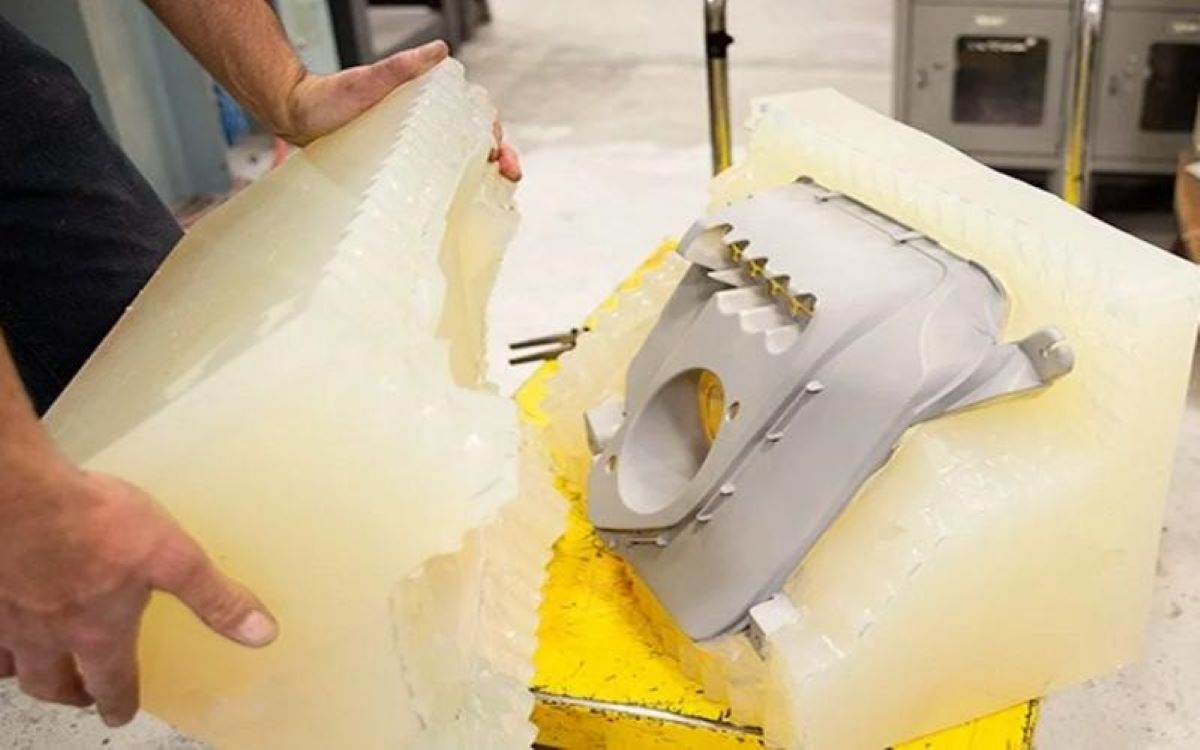
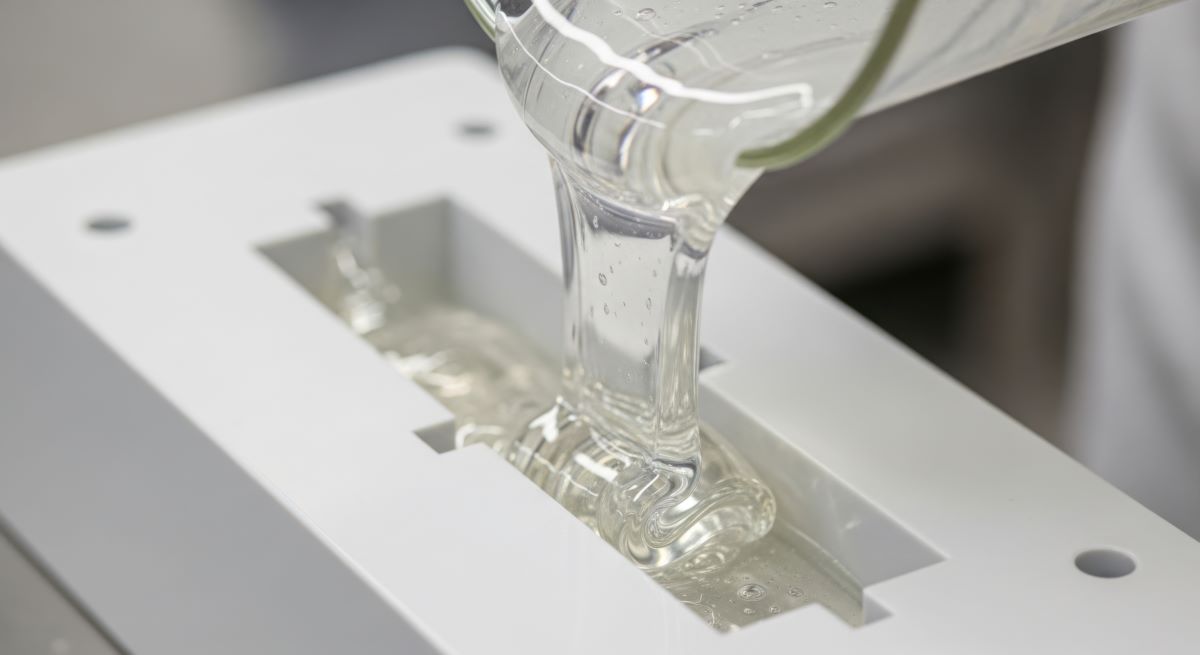
Plastic casting is a rapid prototyping process that uses liquid urethane or resin poured into a silicone mold to produce small batches of plastic-like parts without the upfront investment required for injection molding tooling. While the term “plastic casting” is often searched by teams looking for information about plastic part ...
READ MORE -

Looking to Cast a Plastic Part? Here’s What You Need to Know
If you searched “plastic casting,” you’re probably trying to figure out how to get a plastic part made. Plastic casting and injection molding are the two most common ways to produce small quantities of plastic parts, but they work very differently and suit different stages of product development. This guide ...
READ MORE -

How to Identify What Type of Plastic Your Product Is Made From
Determining the identity of an unknown plastic is a common challenge across the product lifecycle. A manufacturer may have a legacy component with incomplete documentation, a product designer may need to match or replicate the material properties of an existing part, or an engineer investigating a field failure may need ...
READ MORE -

Protoshop Featured on World’s Greatest TV for Rapid Prototype Mold Fabrication
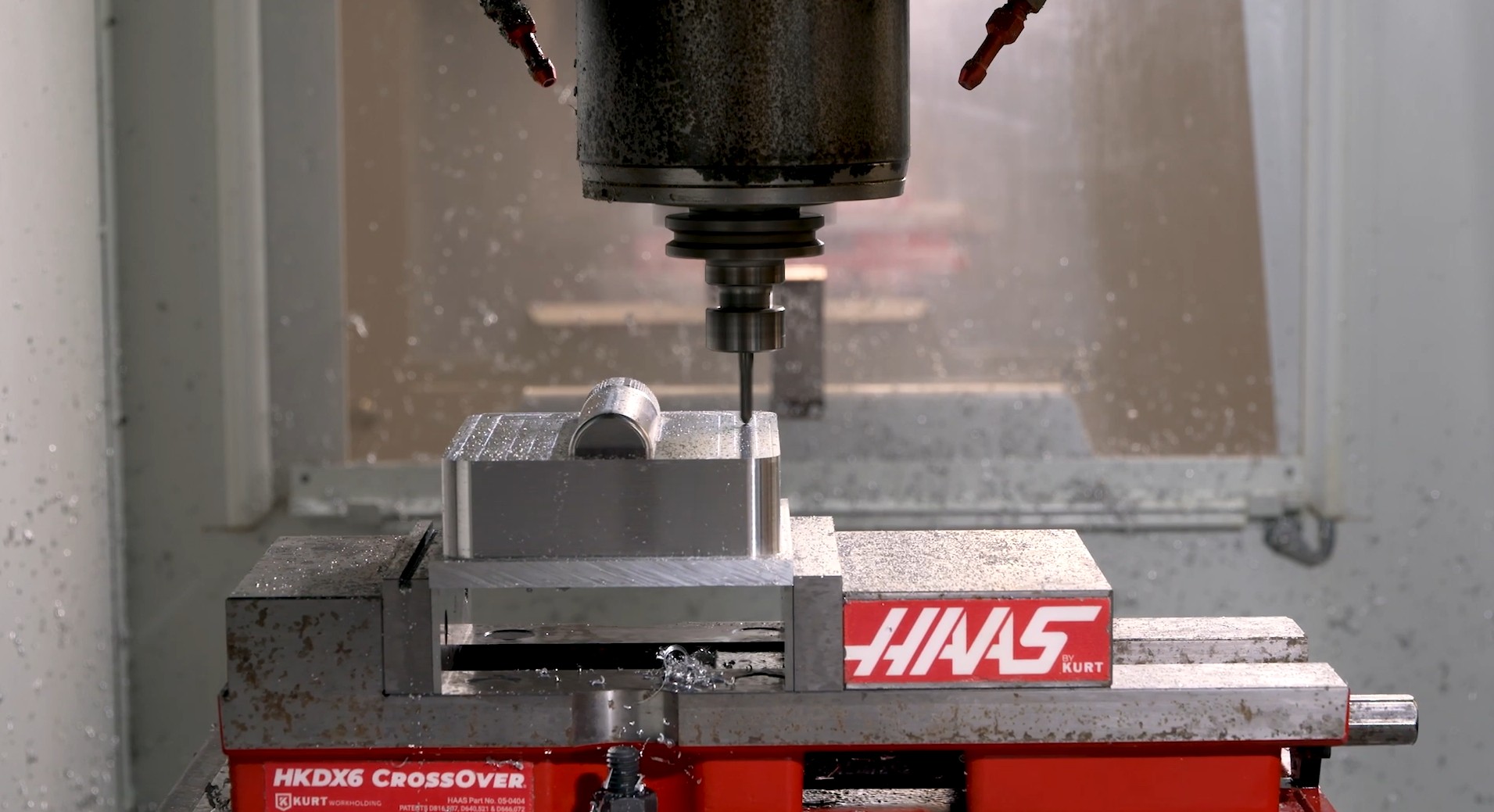
Protoshop Inc. was recently featured on World’s Greatest TV, where the team shared a behind-the-scenes look at how they create rapid prototype molds and injection molded parts. Based in Carlsbad, California, Protoshop’s engineers, machinists and molProtoshop Inc., based in Carlsbad, California, recently had its time in the spotlight on World’s ...
READ MORE -

How Thermoplastic Elastomers Transforms Modern Product Design
Thermoplastic elastomers (TPEs) are frequently used in components and processes that prioritize efficiency or lean manufacturing. The combined elastic behavior and thermoplastic processability offer a flexible alternative to conventional thermoset elastomers. This article builds on that framework and analyzes how TPEs can affect design and decision-making through a technical and ...
READ MORE -

How Resin Type Affects Surface Texture
In plastic injection molding, surface texture is shaped not only by tool design but also by the resin used. The interaction between polymer characteristics and mold surface directly influences gloss, matte appearance, texture sharpness, and even perceived quality. Understanding how resin behavior affects texture replication enables more accurate design choices ...
READ MORE -

Choosing the Best Plastics for Injection Molded Electronic Enclosures
Not all plastic enclosures are created equal, especially when it comes to electronics. Electronic housings are thermal barriers, protect against impact and chemicals and sometimes manage electromagnetic interference (EMI). In many cases, they also need to be consumer-ready. Some material properties to consider for electronics housing injection molding include: What ...
READ MORE -
Overcome Common Pitfalls in Plastic Injection Molding Production Growth
Transitioning a plastic injection molding project from prototype to full production can be challenging. What works perfectly in a prototype tool can become a production headache when volumes increase and cycle times shrink. Understanding the challenges and required adjustments upfront help teams navigate the transition successfully. This guide explores the ...
READ MORE -

How Tariffs Are Changing the Plastic Injection Molding Industry
Global instability and newly imposed international tariffs have the potential to disrupt the global manufacturing industry. Among the hardest hit industries is plastic injection molding, a critical component in the prototyping and production of plastic parts across industries like automotive, consumer electronics, medical devices, and industrial equipment.With tariffs on imported ...
READ MORE -

Strategic Integration of Post-Molding Operations in Plastic Injection Molding
Various post-molding techniques can turn basic plastic parts into high-performance components with special surface properties, tighter tolerances, improved durability and assembly-ready features. These processes play a central role in how products meet functional requirements, comply with standards and get to market fast. Although secondary operations to molded parts can reduce ...
READ MORE